

What are the common uses of aluminum hydroxide?
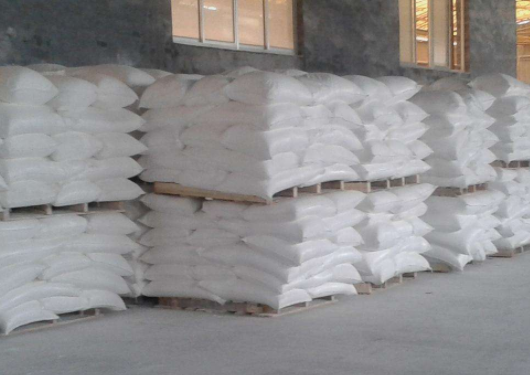
Duealuminum hydroxideIn many industries have been widely valued and applied, so the popularity of aluminum hydroxide is also very high, but many friends do not know some common uses of aluminum hydroxide, the following small series for you to briefly introduce what are the common uses of aluminum hydroxide.
1. Flame retardant
The scope of use of aluminum hydroxide is actually very wide, it belongs to a kind of inorganic material, because it does not release toxic substances when burning, so it also has a certain degree of environmental protection, so it is used as a filling material for flame retardants, and aluminum hydroxide belongs to a pure white powder material, and its form is difficult to change during processing.
2. Papermaking materials
Aluminum hydroxide is also a common material in the papermaking industry. When making paper, aluminum hydroxide is usually covered with a surface coating for filling. In the 1940 s and 1950 s, many foreign companies began to use aluminum hydroxide for coating, but it has not yet been carried out in our country.
3. Toothpaste material
aluminum hydroxideIt is also used in toothpaste manufacturers. By using aluminum hydroxide, the attachments on the tooth surface can be removed, and aluminum hydroxide is a non-toxic and harmless substance, which will not cause any damage to the gums.
4. Artificial marble
In fact, aluminum hydroxide will also be used in the artificial marble industry, through the usealuminum hydroxideAnd unsaturated polyester resin for material filling. Then, you can create the texture of marble, the effect is very good.
The above is about the common use of aluminum hydroxide, it can be seen that,aluminum hydroxideThere are many uses, so in order to better use aluminum hydroxide, when using aluminum hydroxide, the corresponding use must be determined according to the actual situation and its own characteristics, so as to be more in line with the needs of enterprises.
Real-time information
Zhongke Flame Retardant Organization Watches 20 Closing Ceremonies
As a flame retardant, magnesium hydroxide also need to improve what aspects?
Hefei Zhongke Flame Retardant New Material Co., Ltd
Sales Department Telephone:15905609730
Ministry of Foreign Trade Telephone:13956052398
Comprehensive department Telephone:0551-67712199
Company headquarters address: Hefei Feidong Economic Development Zone Xianghe Road 36
E-mail:hefei@zkxcl.com

WeChat Public Number QR Code
Mobile website QR code