

What factors will affect the price of aluminum hydroxide?
aluminum hydroxideIs now the society is more common among a kind of industrial raw materials, because it can participate in many products of raw material ratio, so its use is also very extensive, and the price of aluminum hydroxide has been subject to the attention of many buyers, then, what factors will affect the price of aluminum hydroxide.
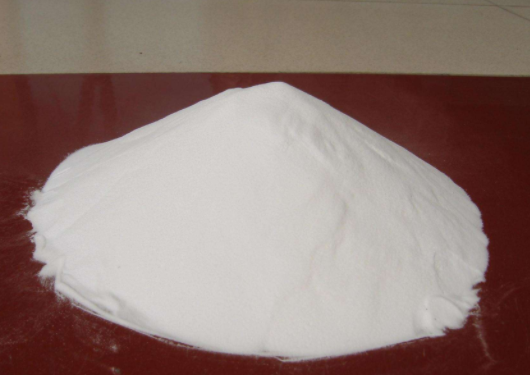
1. Particle diameter
For buyers, when purchasing aluminum hydroxide, they will pay attention to its purchase price, and the purchase price of aluminum hydroxide will be affected by the particle diameter, because there are many types of aluminum hydroxide diameter, different types of particle diameter, the price difference will be larger. In general, the larger the diameter of the particles, the higher the purchase price will be.
2. Manufacturer
The purchase price of aluminum hydroxide will also be affected by the manufacturer. Because aluminum hydroxide is used as an industrial raw material, there will be a big difference in the type of sodium hydroxide. When there are differences in product types, the prices will certainly be different. I believe everyone can understand this. After all, all enterprises hope to use aluminum hydroxide with good materials.
3. Types of Products
Understandingaluminum hydroxideAll enterprises know that when purchasing aluminum hydroxide, its product type will also affect its price. Because there are many common types of aluminum hydroxide on the market, the type distinction is also more complex, common industrial grade aluminum hydroxide, pharmaceutical grade aluminum hydroxide and dry powder aluminum hydroxide, different types, then, the price will be different.
These factors will affect the price of aluminum hydroxide, so you can refer to it when purchasing. In order to better use aluminum hydroxide, when using aluminum hydroxide, you can understand the market situation in advance, and then determine according to market changes.aluminum hydroxideThe price, as far as possible to find the right price of the agent to purchase.
Real-time information
Zhongke Flame Retardant Organization Watches 20 Closing Ceremonies
As a flame retardant, magnesium hydroxide also need to improve what aspects?
Hefei Zhongke Flame Retardant New Material Co., Ltd
Sales Department Telephone:15905609730
Ministry of Foreign Trade Telephone:13956052398
Comprehensive department Telephone:0551-67712199
Company headquarters address: Hefei Feidong Economic Development Zone Xianghe Road 36
E-mail:hefei@zkxcl.com

WeChat Public Number QR Code
Mobile website QR code