

How are flame retardants used?
Polymer incineration is a very intense and complex thermal oxidation reaction, with smoke or flame characteristics. Flame retardants are additives that prevent plastics from burning or suppressing flame transmission.flame retardantThe flame retardant effect is to block or suppress the physical or chemical changes in the polymer incineration process. The flame retardant effect of flame retardant in the process of polymer incineration, flame retardant endothermic effect and endothermic effect make the temperature of polymer materials difficult to rise.
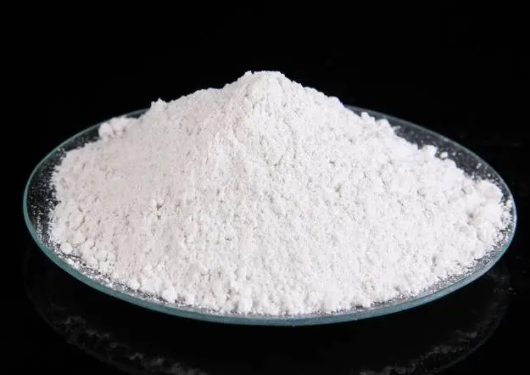
The effect is that a stable masking layer occurs at high temperature, or the foam substance is differentiated to cover the surface of the polymer data, making it difficult for the incineration heat to enter the inside of the data, making it difficult for the combustible gas generated by the thermal differentiation of the polymer data to escape, thus blocking the air from the data, and then suppressing the data cracking to achieve the flame retardant effect.flame retardantFlame retardant dilution effect, the material in the process of thermal differentiation can occur a lot of non combustible gas, so that the polymer data of combustible gas and oxygen in the air dilution, can not reach the combustible concentration range.
The effect of the flame retardant handling effect is to change the thermal differentiation form of the polymer material and then suppress the occurrence of flammable gases. Reactive intermediates HO, H, etc. Capture the burning reaction, suppress the free radical chain reaction, reduce the burning speed, until the flame is extinguished. If some materials are used alone, there is no flame retardant effect or little flame retardant effect, a variety of materials can enhance the flame retardant effect, such as antimony trioxide and halogen compounds.
Gas phase flame retardant system refers to the flame retardant effect in the gas phase to suspend the incineration or delay the chain incineration reaction. Gas phase flame retardant contains: flame retardant materials in the heating or incineration will occur free radical suppression agent, and then suspend the incineration chain reaction. Flame retardant materials in the heating or incineration of particles, to promote the combination of free radicals to stop the chain incineration reaction. Flame retardant materials in the heating or incineration will release a lot of inert gas or high density steam.
Agglutination phase flame retardant refers to the delay or suspension of the thermal differentiation of flame retardant materials in the agglutination phase.flame retardant. Agglutination phase flame retardants primarily include: flame retardants to delay or obstruct the thermal differentiation of flammable gases and free radicals that can occur. The flame retardant inorganic filler has a large specific heat capacity, which makes it difficult for the data to reach the thermal differentiation temperature through heat storage and heat conduction. The thermal differentiation and absorption of flame retardant, slow down or stop the temperature rise of flame retardant materials.
These contents can be fully performanceflame retardantThe use of, and is in the flame retardant material incineration, located on the surface of the porous carbon layer. This layer is non-flammable, heat-insulating, oxygen-insulating, and can prevent combustible gas from entering the incineration gas phase. The mechanism of suspending heat exchange and flame retardant refers to taking away part of the heat generated by the incineration of flame retardant materials, so that the materials cannot maintain the thermal differentiation temperature and the occurrence of combustible gas, so the incineration is self-extinguishing.
Real-time information
Zhongke Flame Retardant Organization Watches 20 Closing Ceremonies
As a flame retardant, magnesium hydroxide also need to improve what aspects?
Hefei Zhongke Flame Retardant New Material Co., Ltd
Sales Department Telephone:15905609730
Ministry of Foreign Trade Telephone:13956052398
Comprehensive department Telephone:0551-67712199
Company headquarters address: Hefei Feidong Economic Development Zone Xianghe Road 36
E-mail:hefei@zkxcl.com

WeChat Public Number QR Code
Mobile website QR code