

How to process environmentally friendly flame retardants?
With the continuous development of the economy, people's requirements for fire safety and flame retardant products continue to increase. Halogen-free, low-smoke, low-toxicity environmentally friendly flame retardants have become the goal of many people. Environmentally friendly flame retardants are nitrogen-phosphorus flame retardants and are halogen-free expansion products specially developed for polypropylene.flame retardant. It consists of chemicals containing phosphorus and nitrogen.
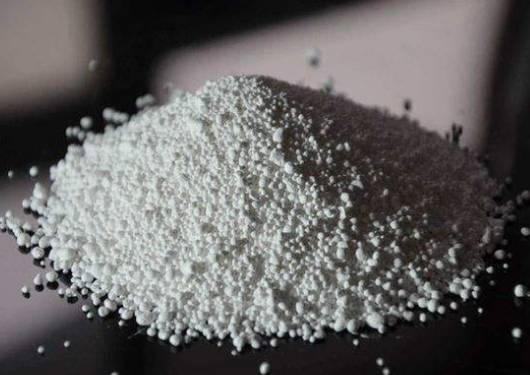
It has good compatibility with polypropylene and has little effect on the mechanical properties of plastics. PP environmentally friendly flame retardants are different from halogen-containing flame retardants in the processing process. During the combustion process, a dense expanded carbon layer is produced to achieve the purpose of heat insulation, heat insulation and flame retardant, without stimulating hydrogen halide gas and black smoke. This kindflame retardantHow is it processed? Next, let us explain.
After mixing with PP, it was added to the extruder. The addition amount is 25-27 percent; the recommended processing temperature is 180-200°C. Because the product has good thermal stability, it can be appropriately improved according to the specific process; when mixing and extruding with PP, it is recommended to use a twin-screw extruder. Fortunately, pelletizing on parallel co-rotating twin screws;
The above contents are all about the introduction of environmental protection materials. In addition, it is recommended not to add any other inorganic fillers, because it will damage the carbon layer structure and affect the flame retardant effect; it is recommended not to add stearate lubricants; if antioxidants and light stabilizers are added, organic antioxidants and light stabilizers should be used; when mixed with other additives, PP environmental protection should be carefully evaluatedflame retardant.
Real-time information
Zhongke Flame Retardant Organization Watches 20 Closing Ceremonies
As a flame retardant, magnesium hydroxide also need to improve what aspects?
Hefei Zhongke Flame Retardant New Material Co., Ltd
Sales Department Telephone:15905609730
Ministry of Foreign Trade Telephone:13956052398
Comprehensive department Telephone:0551-67712199
Company headquarters address: Hefei Feidong Economic Development Zone Xianghe Road 36
E-mail:hefei@zkxcl.com

WeChat Public Number QR Code
Mobile website QR code