

What is the classification of flame retardants?
Most polymer materials are attributed to flammable and flammable materials. The incineration heat release speed is large, the calorific value is high, the flame transmission speed is fast, and it is not easy to extinguish. Sometimes smoke and toxic gases are generated, threatening the safety of people's lives and property. Therefore, electronic appliances, household building materials and other materials have corresponding fire prevention codes, increasingflame retardantIs the first way to achieve polymer flame retardant.
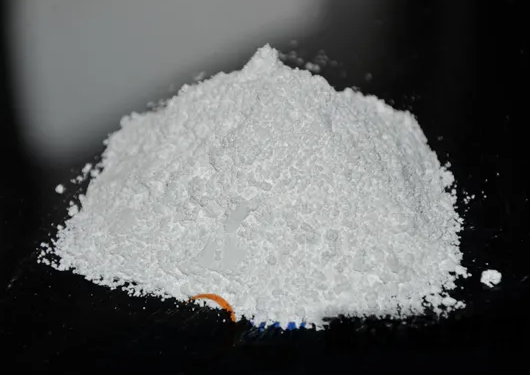
Flame retardant, also known as fire retardant or fire retardant, is a kind of increasing agent used to improve the flame resistance of materials, avoid data ignition and suppress flame transmission. It helps to avoid fire, fire extension, heat release, smoke and toxic emissions. It is important to increase the time of safe escape.
flame retardantIts history dates back to 1820. Since the 1960 s, flame retardants have been widely produced and applied. So far, flame retardants have become the second largest addition to plasticizers.
The flame retardant mechanism mainly includes: endothermic: flame retardant decomposes volatile endothermic, reduces combustible surface temperature, and exerts flame retardant effect; Masking function: forming a masking layer and insulating oxygen after heating; Chain scission reaction: capturing incineration free radicals, delaying or stopping incineration reaction; Non-combustible gas asphyxiation: heating decomposes non-combustible gas, diluting the concentration of oxygen and combustible gas.
Of course, the flame retardants we use actually have very diverse types, compared to other factors, we can be divided into organic flame retardants and inorganic flame retardants according to the chemical structure. According to the type of elements, can be divided into halogen system, phosphorus system, nitrogen system, silicon system, magnesium aluminum system, molybdenum system, etc. Basisflame retardantContact with flame retardant materials, can be divided into increased flame retardant and flame retardant response. Flame retardants currently used primarily contain inorganic, organic phosphorus and organic brines.
Real-time information
Zhongke Flame Retardant Organization Watches 20 Closing Ceremonies
As a flame retardant, magnesium hydroxide also need to improve what aspects?
Hefei Zhongke Flame Retardant New Material Co., Ltd
Sales Department Telephone:15905609730
Ministry of Foreign Trade Telephone:13956052398
Comprehensive department Telephone:0551-67712199
Company headquarters address: Hefei Feidong Economic Development Zone Xianghe Road 36
E-mail:hefei@zkxcl.com

WeChat Public Number QR Code
Mobile website QR code